This is not the official website of Rajaji National Park. It is managed by the Rajaji Wild Trail Resort (Authorized Guide).

Rajaji National Park is a protected wildlife area in Uttarakhand, situated in the Shivalik foothills near Rishikesh, Haridwar, and Dehradun. It is known for its Asian elephants, Bengal tigers, leopards, deer, wild boar, and diverse birdlife. The park forms part of the Rajaji Tiger Reserve, which was notified as a tiger reserve in 2015, and plays an important role in wildlife conservation by providing forest habitat and connectivity for species across the Shivalik landscape.
The history of the protected area goes back to several wildlife conservation areas established in the Shivalik region. In 1983, Rajaji National Park was created by bringing together the Rajaji, Motichur, and Chilla wildlife areas under one national park. The area received additional conservation importance when Rajaji Tiger Reserve was notified in 2015 under India's tiger conservation programme. The reserve now covers a much larger protected landscape than the original national park and plays an important role in maintaining wildlife habitats and corridors in the region.
Rajaji National Park was established in 1983 by combining three existing wildlife areas: Rajaji, Motichur, and Chilla. It covers an important section of the Shivalik hills and surrounding forest landscape in Uttarakhand.
The park contains different types of habitats, including sal forests, moist deciduous forests, grasslands, riverine areas, and rocky terrain. This variety of habitats supports a wide range of mammals, birds, reptiles, and other wildlife.
Today, the park forms the main part of the Rajaji Tiger Reserve.
The terms Rajaji National Park and Rajaji Tiger Reserve are often used interchangeably, but they refer to different protected-area designations.
Rajaji National Park was established in 1983.
Rajaji Tiger Reserve was notified in 2015 and covers the national park along with additional forest areas designated as part of the tiger reserve.
The tiger reserve covers approximately 1,075 square kilometres, making it an important protected landscape in Uttarakhand.

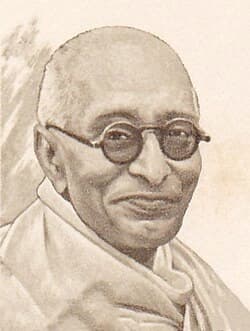
Rajaji National Park is named after Chakravarti Rajagopalachari, popularly known as Rajaji, a prominent Indian freedom fighter, politician, and statesman. He played an important role in India’s freedom movement and later became the last Governor-General of India and the first Indian to hold the position after independence. In recognition of his significant contribution to the nation, the national park was named in his honour. Today, Rajaji National Park is one of Uttarakhand’s prominent wildlife destinations, known for its rich biodiversity, dense forests, and diverse wildlife.
Rajaji National Park supports a variety of wildlife because of its forests, grasslands, rivers, and varied terrain.
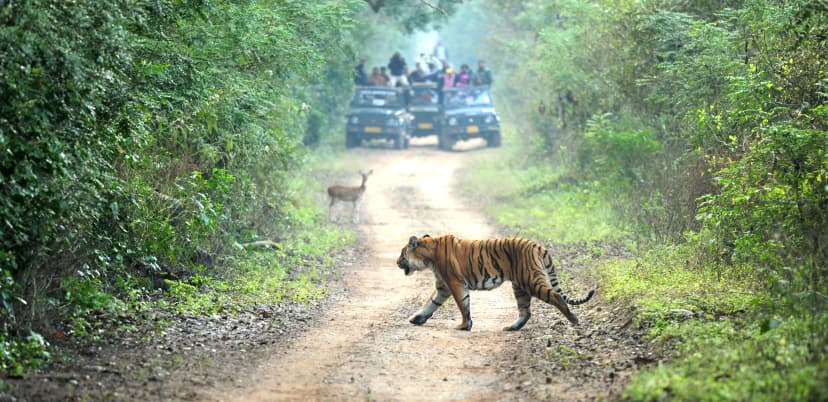
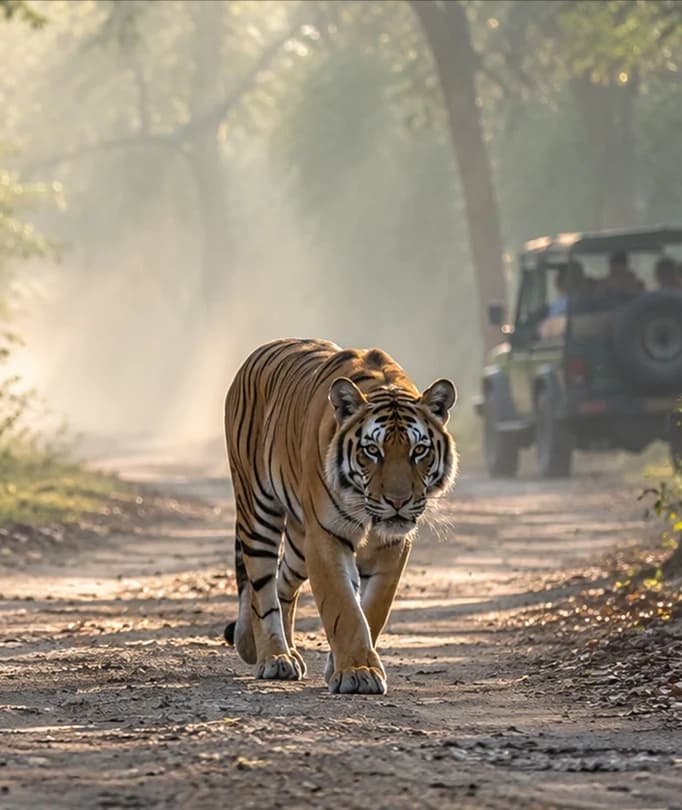
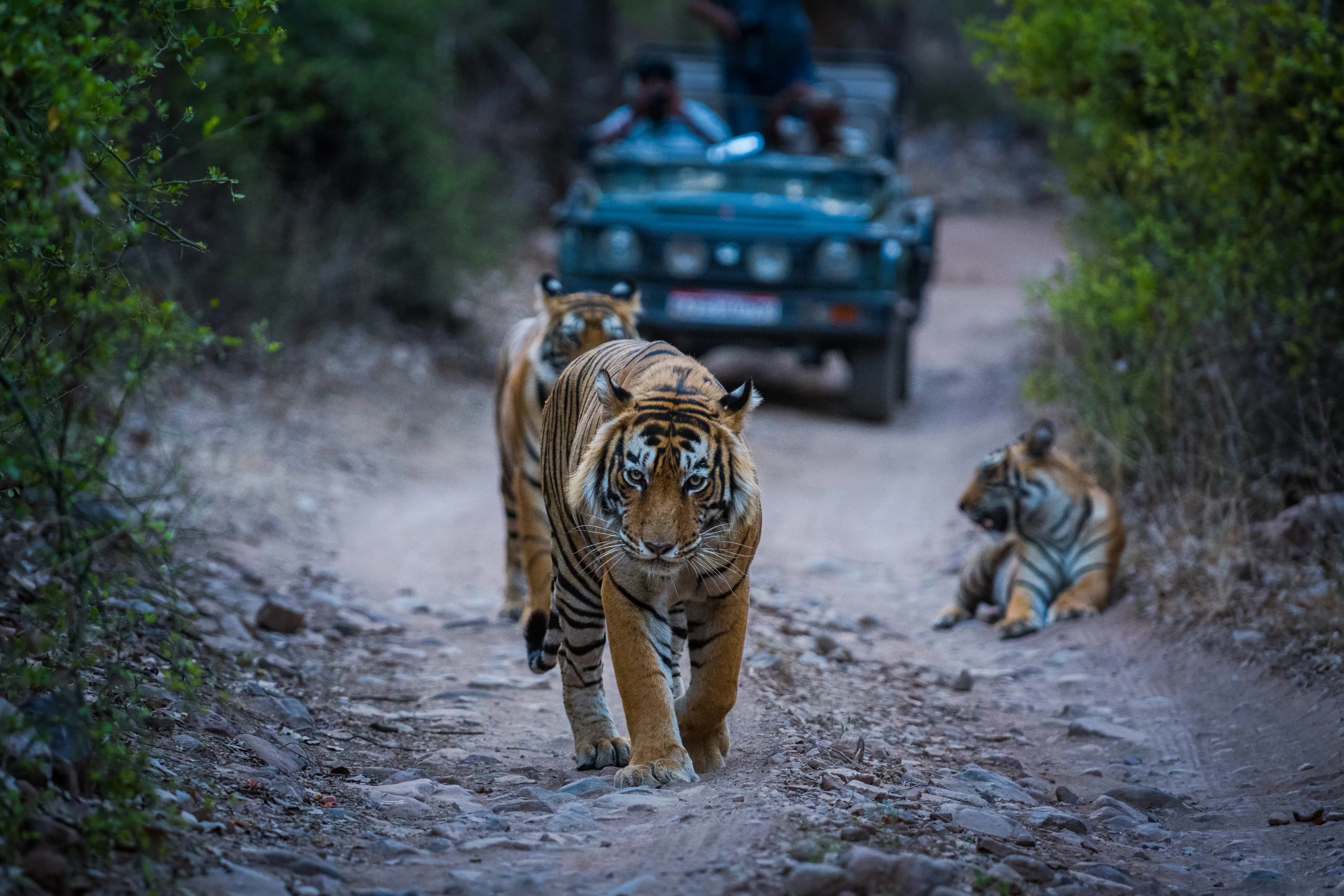
The Bengal tiger is one of the major carnivores found in the Rajaji landscape. The notification of Rajaji as a tiger reserve strengthened conservation efforts for tigers and their habitat. Tiger sightings during a safari are not guaranteed because tigers move freely through the forest and their visibility depends on factors such as location, weather, season, and animal movement.
Asian elephants are one of the most important species associated with Rajaji National Park. The reserve provides extensive forest and riverine habitats used by elephants for movement, feeding, and access to water. Rajaji is also an important part of the wider elephant landscape in northern India.
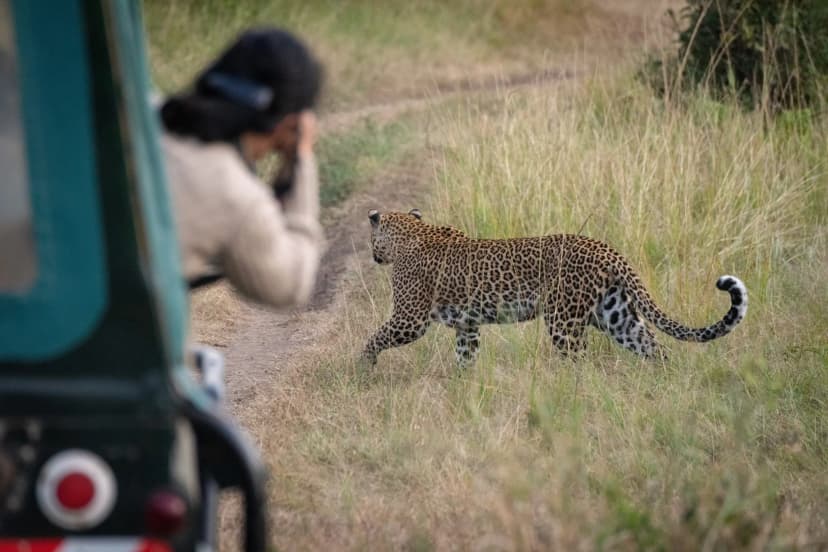
Leopards are also found in Rajaji National Park. They are adaptable and generally more difficult to spot than some of the larger and more visible herbivores. A leopard sighting depends largely on natural animal movement and conditions during a safari.
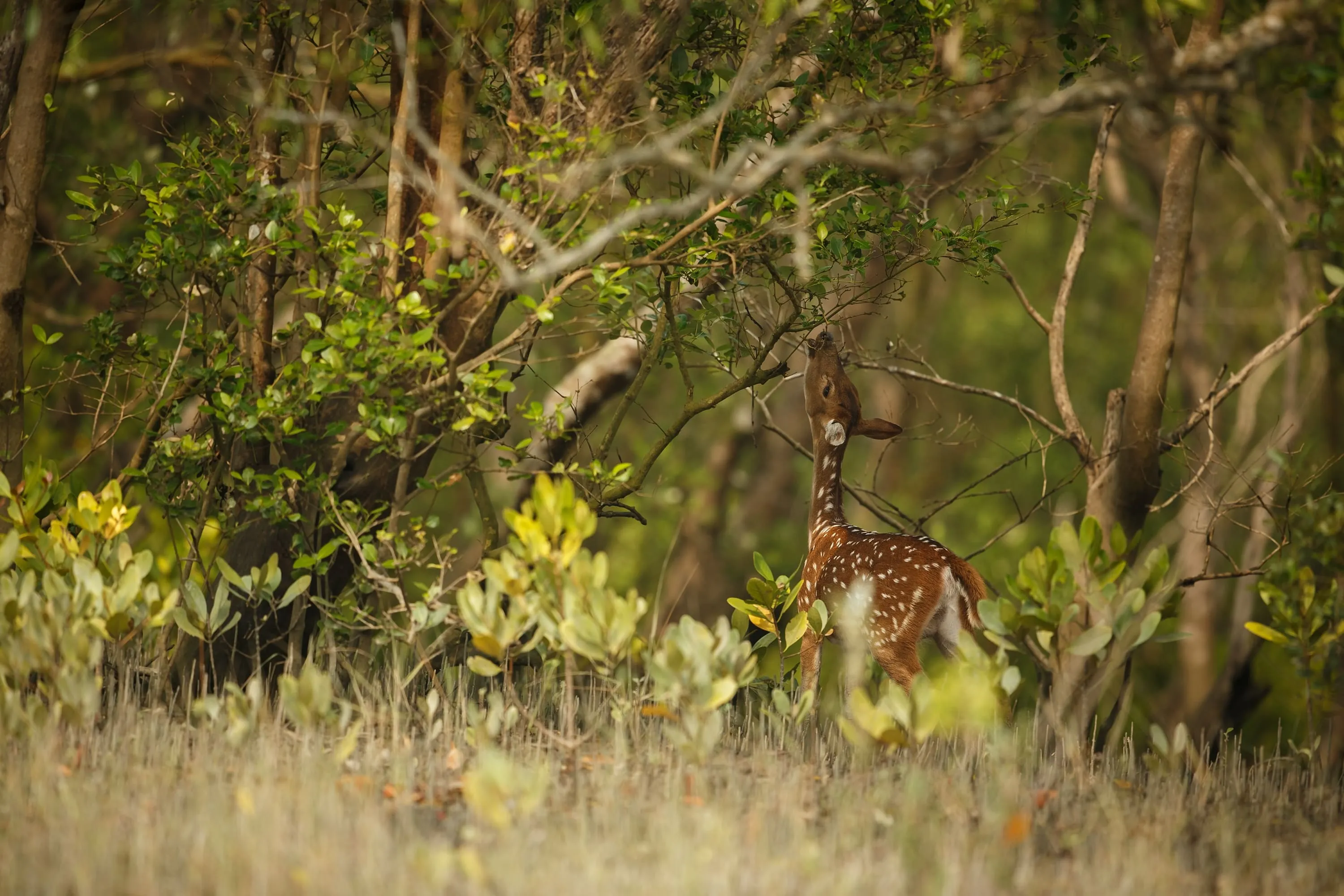
Several deer species can be found in the park, including: Sambar deer, Chital or spotted deer, Barking deer. Deer are an important part of the forest ecosystem and also form part of the prey base for large carnivores.
Rajaji National Park is a great destination for birdwatching, with forests, rivers, grasslands, and open areas supporting a variety of resident and migratory birds. Depending on the season and safari zone, visitors can enjoy spotting different bird species along with the park’s larger wildlife.
Other wildlife recorded in the Rajaji landscape includes: Wild boar, Sloth bear, Striped hyena, Jungle cat, Rhesus macaque, Hanuman langur. The exact wildlife seen during a visit varies depending on the safari route, season, weather, and animal movement.
The vegetation of Rajaji National Park reflects its location in the Shivalik foothills.
Sal (Shorea robusta) is one of the dominant tree species in the region. Other trees and plants found in the landscape contribute to the different habitats used by mammals, birds, insects, and reptiles.
Explore Rajaji National Park’s wildlife, landscapes, safaris, and photography opportunities across Uttarakhand.

Rajaji National Park lies along the Shivalik range of the Himalayas, featuring a diverse landscape of forested hills, valleys, grasslands, streams, riverbeds, and riverine vegetation. The Ganga River and other water sources play an important role in supporting the park’s ecosystem. This varied terrain creates suitable habitats for Asian elephants, Bengal tigers, leopards, deer, wild boar, and numerous bird species. The combination of different habitats and vegetation makes Rajaji National Park an important wildlife and biodiversity conservation area in Uttarakhand.

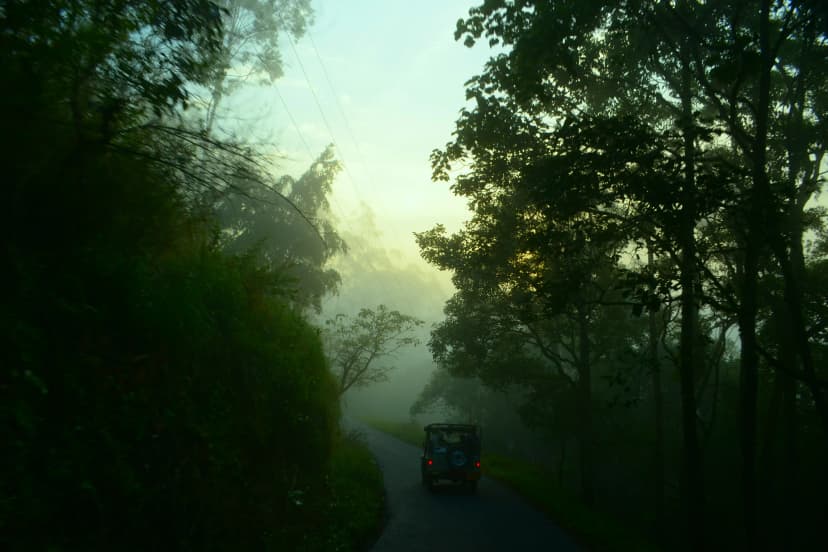
Safari is one of the main ways visitors explore the wildlife areas of Rajaji. Safaris take place on designated forest routes and are conducted according to the rules and regulations of the forest authorities. Visitors may have opportunities to see elephants, deer, wild boar, birds, and other wildlife. Large carnivores such as tigers and leopards are present in the landscape, but sightings cannot be guaranteed. During a safari, visitors should remain inside the designated vehicle, follow the instructions of safari staff, and avoid disturbing wildlife.

Rajaji National Park offers opportunities for wildlife and nature photography. Depending on the safari route and conditions, visitors may photograph elephants, deer, birds, monkeys, forest landscapes, and other wildlife. Wildlife photography requires patience because animals move naturally through the forest. Visitors should always prioritise wildlife safety and follow the rules of the protected area rather than attempting to get closer to an animal for a photograph.
Rajaji National Park is closely associated with Rishikesh because protected forest areas are located around the city. For visitors staying in Rishikesh, Rajaji provides an opportunity to explore a wildlife area without travelling far into the Himalayan region. A Rajaji safari can also be included in a wider Rishikesh itinerary along with activities such as river rafting, sightseeing, and visits to local attractions. The exact travel time depends on the safari zone, starting point, road conditions, and current forest access.
The best time to visit depends on weather conditions, safari operations, and the visitor’s preferred experience.
The weather is generally more comfortable during winter, making it a popular period for wildlife visits and safaris.
Temperatures begin to increase, while the forest landscape changes with the season. This can be a suitable period for wildlife observation.
Summer temperatures can be high, particularly during the daytime. Wildlife activity may vary depending on water availability and weather conditions.
Heavy rainfall can affect forest access and safari operations. Visitors should check the current safari schedule and forest regulations before planning a visit during the monsoon period.
Rishikesh, Haridwar, and Dehradun are the main nearby cities connected by road to the Rajaji landscape. Visitors can reach these cities and continue to their selected safari zone.
Haridwar and Rishikesh have railway connections with several major cities in India. From the railway station, visitors can continue by road toward the relevant park entry or safari zone.
The nearest major airport is Jolly Grant Airport near Dehradun. From the airport, visitors can continue by road toward Rishikesh or the relevant Rajaji National Park entry area.

Rajaji is important not only as a tourism destination but also as a wildlife conservation landscape. The protected forests provide habitat for large mammals such as elephants and tigers as well as numerous smaller animals and birds. The area also contributes to wildlife movement and habitat connectivity across the Shivalik and Terai landscapes. Its tiger reserve status provides an additional framework for protecting tiger habitat and supporting long-term conservation efforts.
Get answers to common questions about your safari experience at Raja ji National Park.