Shashi Ranakoti
Owner
Birds of Rajaji National Park – A Visitor's Guide to 400+ Species
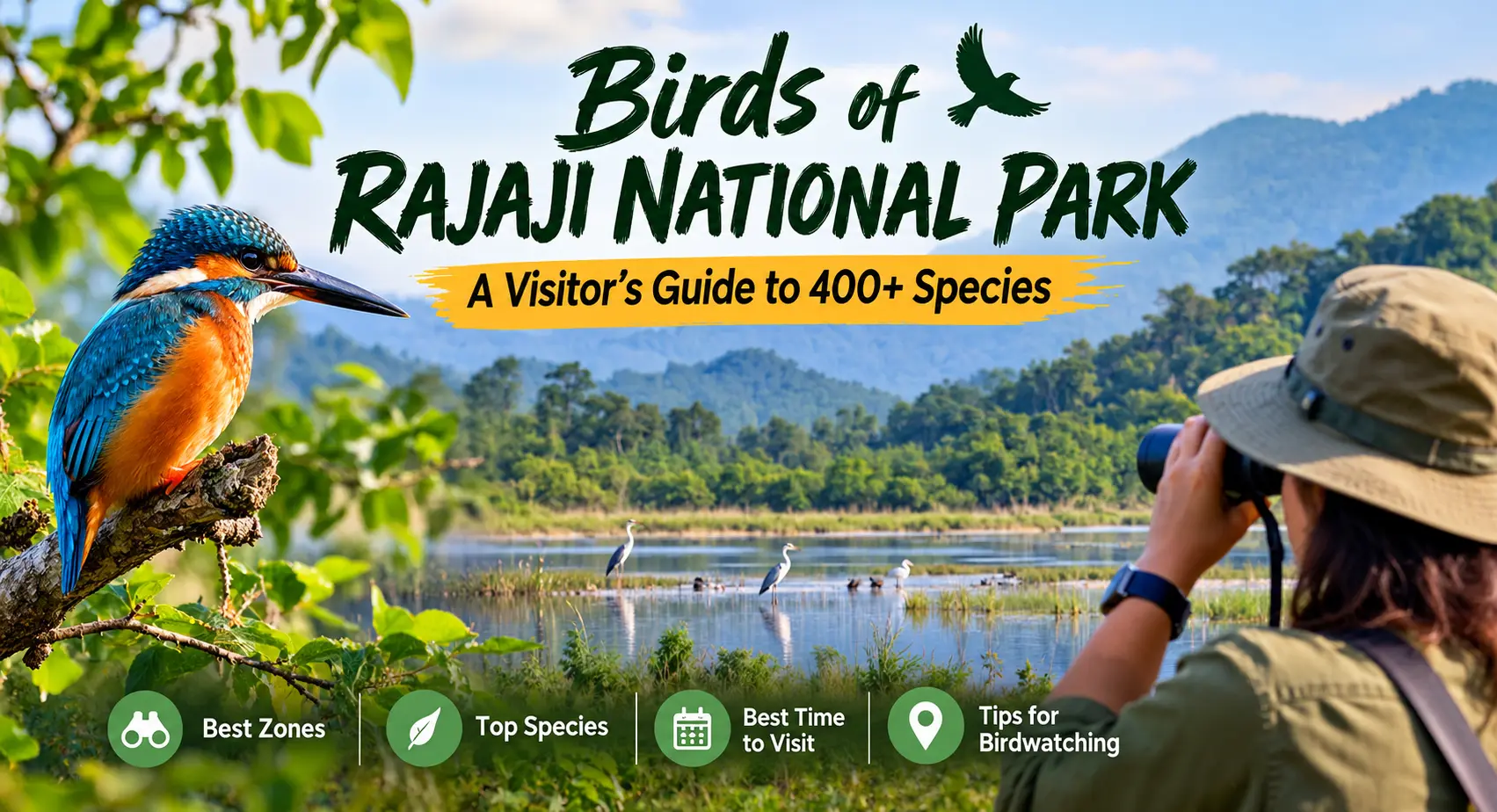
Most visitors come to Rajaji National Park hoping to spot a tiger or an elephant, and understandably so. But ask any regular visitor, and they'll tell you that some of the most memorable moments on a safari here come from the birds, not the big mammals. With over 400 recorded species, Rajaji is one of the richest birdwatching destinations in North India, and a visit here offers genuine value for birders, not just wildlife photographers chasing a tiger sighting.
This guide walks you through what makes Rajaji such a strong birdwatching destination, which species you're likely to see, where to look for them, and how to plan a visit around birding rather than just big-cat spotting.
Why Rajaji National Park Is a Birdwatcher's Destination
Rajaji's bird diversity comes down to its varied terrain. The park combines dense sal forest, open riverside grassland along the Ganga canal, rocky Shivalik slopes, and a dedicated wetland zone at Jhilmil Jheel. Each of these habitats supports a different set of bird species, which is why the park's overall species count is so high compared to many single-habitat reserves.
This diversity also means birdwatching at Rajaji isn't limited to one season or one type of bird. Resident species are present through the safari season, while winter brings a noticeable influx of migratory birds, making different months rewarding for different reasons.
Jhilmil Jheel – The Park's Premier Birding Zone
If birdwatching is your main reason for visiting, Jhilmil Jheel should be at the top of your list. As Uttarakhand's only wetland safari zone, it offers a completely different habitat from the rest of the park, and its still water, reed beds, and open marsh make it ideal for waterfowl, waders, and other wetland-dependent species that you simply won't find in the drier zones.
This zone is also home to the swamp deer, a species found nowhere else in Uttarakhand, which makes it a worthwhile stop even for visitors who aren't primarily birders.
Common Birds You're Likely to See
While a full list of 400+ species is far too long for a single visit, a few categories of birds are consistently reported by visitors and guides across the park.
- Peafowl (Indian Peacock) - frequently seen in open grassland areas, especially in Chilla and Motichur zones, and one of the most visible species on any safari.
- Kingfishers - several species are regularly spotted near water bodies and the Ganga canal, particularly around Chilla zone and Jhilmil Jheel.
- Woodpeckers - found in the denser sal forest stretches of Motichur, where their drumming is often heard before the bird itself is seen.
- Hornbills - occasionally spotted in forested stretches, a favorite sighting among visiting birders due to their distinctive call and flight pattern.
- Raptors (eagles, kites, and falcons) - commonly seen soaring over open areas, particularly during the cooler months when visibility is clearer.
- Waterfowl and waders - ducks, herons, storks, and similar species are concentrated around Jhilmil Jheel and other wetland patches.
- Migratory species - between November and February, Rajaji sees an increase in migratory birds, adding further variety for visitors during the winter season.
Guides working regularly in a particular zone tend to know where specific species have been active recently, so mentioning your interest in birds at the start of your safari often leads to a route better suited to spotting them.
Best Time of Year for Birdwatching
While Rajaji hosts resident bird species throughout the safari season, certain periods offer a noticeably richer experience for birders.
November through February is generally considered the strongest window for birdwatching, as migratory species arrive alongside the park's resident population, significantly increasing the overall variety you're likely to encounter in a single visit. Mornings during this period tend to be particularly active, as birds forage before the day warms up.
March through June still offers solid birdwatching, particularly around waterholes and the wetland zone, as birds, like other wildlife, become more concentrated near water sources during the drier months.
Best Time of Day for Spotting Birds
Early morning safaris consistently offer the most bird activity, similar to the pattern seen with larger mammals. Birds tend to be most vocal and active in the first couple of hours after sunrise, making early departure times genuinely worthwhile for anyone prioritizing birdwatching over other wildlife.
Evening safaris can also be rewarding, particularly for spotting raptors and birds returning to roost, though morning remains the stronger option overall for variety.
Tips for a Good Birdwatching Safari
- Carry binoculars - even a basic pair makes a significant difference for spotting and identifying birds at a distance.
- Bring a zoom lens if photography matters to you, since many birds are small and often positioned some distance from the safari track.
- Mention your interest in birds to your guide before the safari starts, so the route and pace can be adjusted accordingly.
- Stay quiet and avoid sudden movement, since birds are considerably more sensitive to noise and motion than larger mammals.
- Consider Jhilmil Jheel specifically if wetland and waterfowl species are your priority.
A Destination Worth Visiting for Birds Alone
While Rajaji is best known as a tiger reserve, its bird diversity genuinely stands on its own. For visitors with even a casual interest in birdwatching, a safari here offers far more than a backup activity if a tiger doesn't show up. Between the wetland habitat at Jhilmil Jheel, the dense forest cover in Motichur, and the open grassland of Chilla, Rajaji consistently delivers a rewarding birdwatching experience across its zones.
Plan Your Birdwatching Safari at Rajaji National Park
If you'd like your safari planned around birdwatching specifically, including a recommendation for the best zone and timing, we're happy to help you plan accordingly. You may also want to check our guide on choosing the best safari zone before you book.
Call us: +91 9927180586
WhatsApp us to check availability and book your safari.
Location: Ganga Bhogpur Talla, Rishikesh, Uttarakhand
Frequently Asked Questions
Get answers to common questions about your safari experience at Raja ji National Park.
Recent Posts
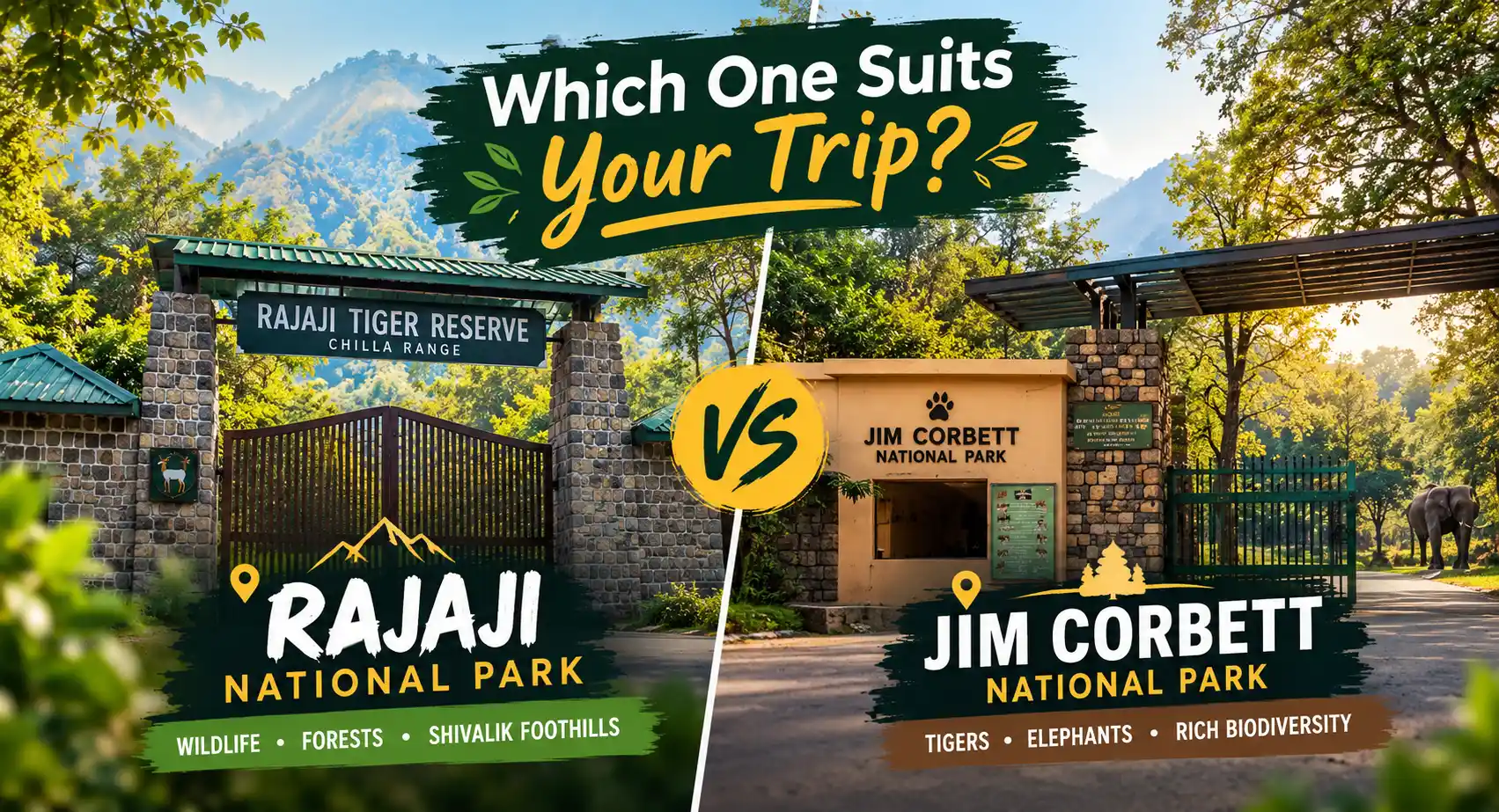
Rajaji National Park vs Jim Corbett – Which Suits You?
Comparing Rajaji National Park and Jim Corbett? See which offers a quieter, more diverse safari experience for your Uttarakhand trip.
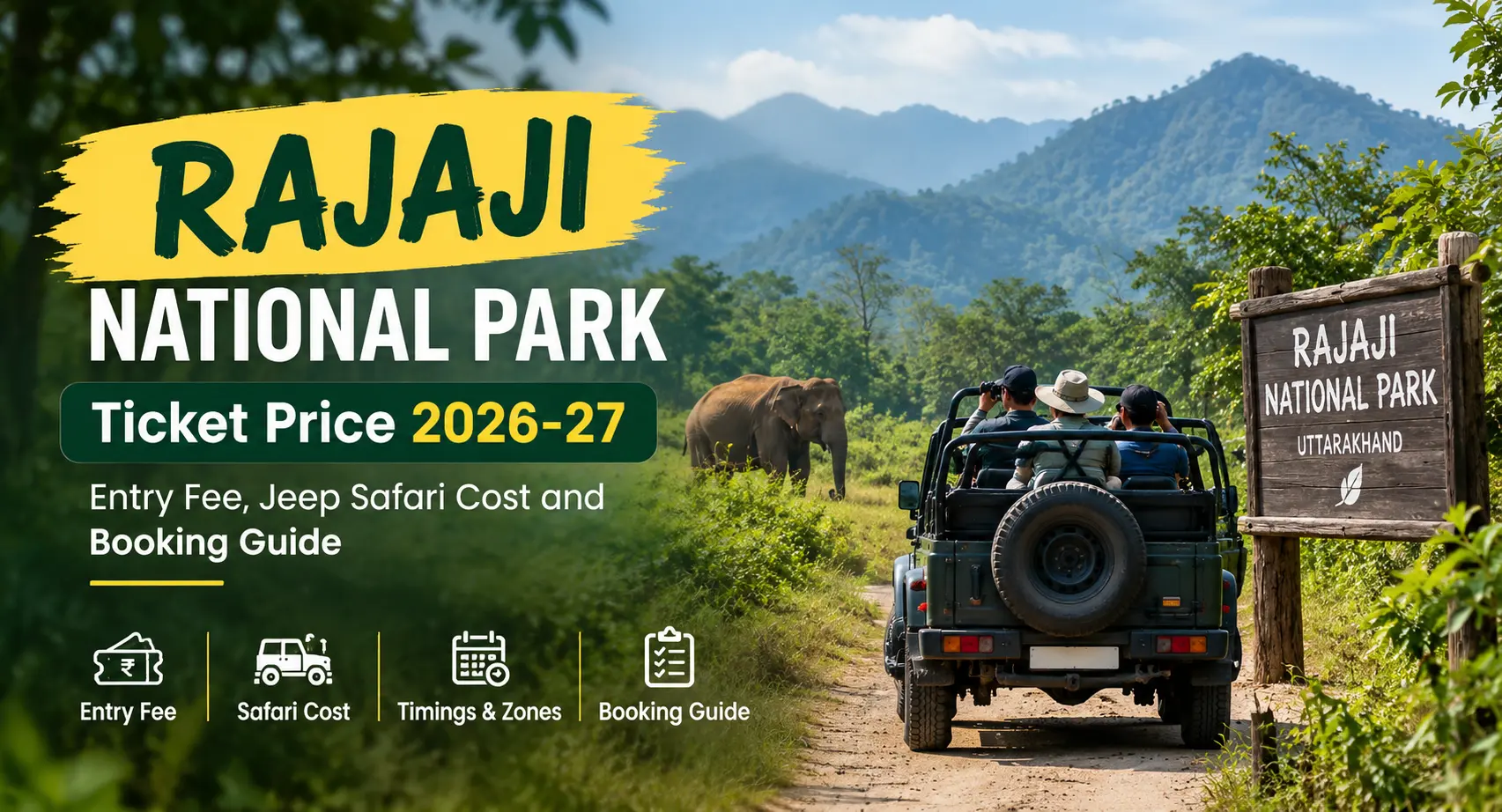
Rajaji National Park Ticket Price 2026: Fees & Booking Guide
Complete Rajaji National Park ticket price guide: entry fee, jeep safari cost, timings, zones and step-by-step booking. Updated for the 2026-27 season.

Rajaji National Park Safari for Seniors & Kids – Full Guide
Planning a family trip to Rajaji National Park? Find out if the safari suits senior citizens and small children, plus tips for a comfortable ride.