Shashi Ranakoti
Owner
Which is the Best Safari Zone in Rajaji National Park Rishikesh?
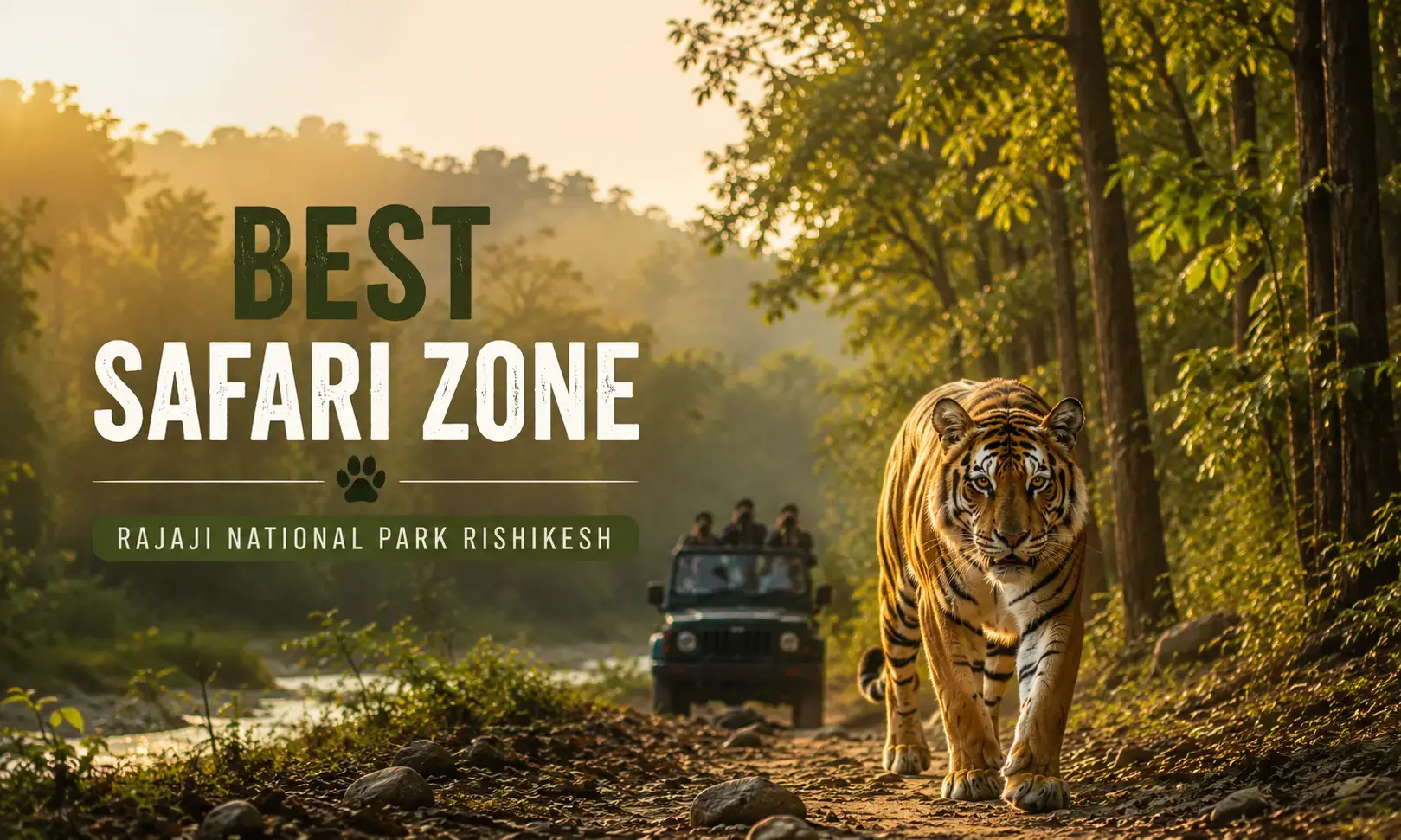
If you've started planning a jungle safari near Rishikesh, you've probably already run into this question: which Rajaji zone should you book? Chilla, Motichur, Ranipur, Jhilmil, or Mohand? Every website has a slightly different opinion, and most don't explain why, or worse, they mention only four zones and skip Ranipur entirely.
We get asked this almost every single day at the booking desk. Someone calls, says they want to "see a tiger," and asks us to just pick a zone for them. So we thought it was time to put together a proper, honest breakdown of the best tiger safari zones in Rishikesh instead of the usual generic zone list you find everywhere else.
Rajaji National Park sits between the Shivalik hills and the Ganga plains, spread across nearly 820 square kilometres in the Haridwar, Dehradun, and Pauri Garhwal districts of Uttarakhand. It became a tiger reserve in 2015, and today it holds one of the largest wild elephant populations in North India. Tigers and leopards move through the same forest, and over 400 bird species have been recorded here, which is why serious birders keep coming back season after season.
What makes this park different from most reserves you've probably heard of is how much the terrain changes within a single stretch. You get dense sal forest in one zone, open riverside grassland in another, rocky Shivalik slopes where leopards prefer to move, and, unusually for this part of India, an actual wetland. That's the reason the five safari zones, Chilla, Motichur, Ranipur, Jhilmil Jheel, and Mohand, don't feel like five versions of the same safari. They're genuinely different outings, and picking the wrong one for what you actually want to see is the most common mistake first-time visitors make. Let's go through each one properly.
Chilla Safari Zone: The Most Popular Choice, and Usually the Best
Chilla is the zone most people end up booking, and for good reason. It's the closest zone to Rishikesh and Haridwar, sitting right along the Ganga canal, which makes it the most accessible of the five by a fair margin.
The terrain here is a mix of dense sal forest, open grassland, and riverine patches along the canal. This variety is exactly why Chilla tends to produce the best overall wildlife sightings in the park. It's known for its large elephant population, and tigers do use this zone regularly, giving it the strongest tiger sighting record among all five options. Alongside that, you'll commonly spot spotted deer, sambar, wild boar, and a genuinely impressive bird list.
There's a real trade-off with popularity, though. Weekend and peak-winter permits get booked out fast, and you'll notice more gypsies on the road here than anywhere else in the park. That said, the forest roads are well maintained, and honestly, if this is your first Rajaji safari, we'd point you here almost every time. It gives you the best overall odds of seeing a real spread of animals, tiger included, in one three-hour drive.
Best time to visit Chilla: open mid-November through mid-June, with winter mornings from November to February being the most comfortable, and animals moving more actively near water sources once March sets in.
Motichur Safari Zone: Dense Sal Forest and Steady Elephant Activity
Motichur sits just south of Chilla and is built around thick sal forest, which makes it a genuinely good zone for elephants, deer, and a wide mix of birds. Because the forest connects with Rajaji's elephant corridors, herds pass through here regularly, especially as water sources shrink elsewhere between March and June.
Tiger sightings do happen in Motichur, but less often than in Chilla, simply because the forest cover is thicker and tigers stay well hidden. What you lose in tiger odds, you gain in a calmer safari with noticeably fewer vehicles around you, plus some of the best elephant encounters in the park.
Travellers who specifically want elephants over anything else tend to prefer this zone, and so do photographers who'd rather skip the crowd. It's also a good second safari if you've already done Chilla and want a different feel. Late morning does get warm through the summer stretch, so an early start matters more here than in most other zones.
Best time to visit Motichur: open mid-November to June, with March to June being the strongest window for elephant activity as animals concentrate near remaining water sources.
Ranipur Safari Zone: The Best Bet for Leopards
Ranipur doesn't get talked about as much as Chilla or Motichur, but if leopards are what you're hoping to see, this is genuinely your best shot in the entire park. The terrain here is rocky and hilly, exactly the kind of ground leopards prefer to move through, and it runs along a longer route of about 25 kilometres compared to some of the other zones.
Alongside leopards, Ranipur is home to sloth bears, langurs, elephants, and various deer species, sloth bears being something you won't easily spot elsewhere in Rajaji. It's a quieter, more peaceful safari overall, with far fewer vehicles on the road than Chilla or Motichur.
Sightings here reward patience more than luck. You're less likely to have a fast-paced safari full of back-to-back spotting, and more likely to have a slow, observational one where a leopard sighting genuinely feels earned. The longer route does mean a longer overall safari, and tiger sightings are rarer than in Chilla, so it's worth going in with the right expectations. We'd recommend it to anyone specifically chasing a leopard, or to guests who've already done a standard Chilla safari and want something different this time.
Best time to visit Ranipur: open mid-November through June, similar to most other zones, with the cooler months making the longer route far more comfortable.
Jhilmil Jheel Safari Zone: The Only Wetland in Rajaji
Jhilmil Jheel is unlike any other zone in the park, because it's built around an actual wetland reserve rather than dry forest. This is the only place in Uttarakhand where you can reliably see swamp deer, and it's also one of the strongest birding zones anywhere in North India, with peacocks, waterbirds, and migratory species drawing serious photographers through the winter months.
One useful thing to know: Jhilmil Jheel stays open a little longer than the other four zones, from October through June, giving you an extra window in autumn that Chilla, Motichur, Ranipur, and Mohand don't offer. Elephants do move through this zone too, and there's confirmed tiger movement in the area, though sightings of tigers here are less frequent than in Chilla simply because the terrain and vegetation are so different.
Birdwatchers and nature photographers get the most out of this zone, and it's also a great pick for anyone who's already done a standard forest safari and wants to see something genuinely different this time. Just don't come here expecting a tiger to be the main event. Come for the wetland itself, and if you're not chasing birds specifically, the terrain can feel a touch repetitive across the drive.
Best time to visit Jhilmil Jheel: October to February for the strongest birdwatching conditions, when migratory species are present in the wetland.
Mohand Safari Zone: Quiet, Off the Main Circuit
Mohand sits on the Dehradun side of the park, a bit further from the usual Rishikesh-Haridwar tourist circuit, which is exactly why it stays the least crowded of the five zones. What it lacks in popularity, it makes up for in solitude and a genuinely good leopard presence.
The forest here is dense with rocky patches, and alongside leopards, you'll find spotted deer, peacocks, and over 400 recorded bird species in the wider area. Tiger movement has also been recorded in Mohand, so it's not off the table here either, though sightings are naturally less predictable simply because fewer safaris run through this zone on any given day.
If you're already based on the Dehradun side, or you've done Chilla before and want the quietest possible experience of the five zones, Mohand delivers that in a way nothing else in the park does. Just know it's the furthest zone if you're coming from Rishikesh, and go in treating solitude, not a guaranteed sighting, as the main reward.
Best time to visit Mohand: open mid-November through June, ideally avoiding the peak summer heat when this zone's rockier terrain gets noticeably warmer through the day.
So, Which One Is Actually the Best?
If you ask us directly, and people do ask us this every single day, Chilla comes out on top for most travellers looking for the best tiger safari zones in Rishikesh. It has the best access from Rishikesh, the widest mix of terrain, and consistently the highest wildlife density of the five zones. For a first Rajaji safari, we almost always recommend starting here.
But "best" really depends on what you're actually after. If elephants are your priority, Motichur is a strong pick. If you want the best leopard odds in the park, Ranipur is genuinely worth the quieter, longer route. If birds and a completely different landscape interest you more, Jhilmil Jheel stands apart from the rest. And if you just want the fewest vehicles around you, Mohand gives you the most peaceful experience of the five, even if sightings are a touch less predictable.
One thing worth being honest about: no zone in Rajaji, or anywhere in India for that matter, can guarantee a tiger sighting. Rajaji's tiger population is still growing, and while sightings have become more frequent in recent years, particularly in Chilla, tigers here remain naturally shy and spread across a large forest. What we can promise is a real, well-guided outing with a strong chance of seeing elephants, deer, leopards, and some genuinely excellent birdlife along the way, no matter which of the five zones you choose.
What to Actually Expect on a Rajaji Safari
A lot of first-time visitors come in with expectations shaped by wildlife documentaries, where every episode ends with a perfect tiger shot close up. Real safaris don't work that way, and it helps to know this before you set out.
A standard Rajaji safari runs about three hours, either early morning or afternoon depending on the season, in an open gypsy with a forest-authorised driver-cum-guide. Entry and exit times shift through the year: mornings start around 6:30 AM from mid-November to mid-February, move to 6:00 AM through mid-April, and shift to 5:30 AM once summer sets in and animals become active earlier in the day. Some days the forest feels alive within the first ten minutes. Other days you'll drive for over an hour before spotting anything beyond deer and birds. Both are completely normal, and honestly, both are part of what makes a real jungle different from a documentary edit.
Guides here read the forest constantly, watching for alarm calls from langurs and deer that often signal a predator nearby, checking fresh pugmarks on the forest roads, and adjusting the route based on where elephants and leopards were last seen that morning. This is genuinely skilled work, and a good guide can make a real difference to your sighting chances regardless of which zone you pick.
Tips Before You Book
Morning safaris generally have better animal activity than afternoon ones, particularly through the warmer months when animals move early and rest through the heat of the day. Permits for Chilla especially should be booked a few days in advance during peak winter season, since weekend slots fill up fast. Carry earthy-toned clothing, avoid bright colours, and keep noise down inside the vehicle, since sudden sounds tend to push shy animals further into cover.
Also, don't judge a safari purely by whether you saw a tiger. Some of the best safaris we've run had no tiger sighting at all but had close elephant encounters, a leopard crossing the track in Ranipur, or a rare bird in Jhilmil that even our guides got excited about.
Book Your Jungle Safari
Still not sure which zone fits your trip best? That's exactly what we're here for. We run safaris across all five zones, Chilla, Motichur, Ranipur, Jhilmil Jheel, and Mohand, and we'll help you pick the right one based on what you actually want to see, your travel dates, and how much time you have.
Reach out to us today and book tiger safari in Rishikesh. Whether it's your first jungle safari or your fifth, we'll make sure you get the right zone, the right guide, and a safari worth remembering.
Frequently Asked Questions
Get answers to common questions about your safari experience at Raja ji National Park.
Recent Posts
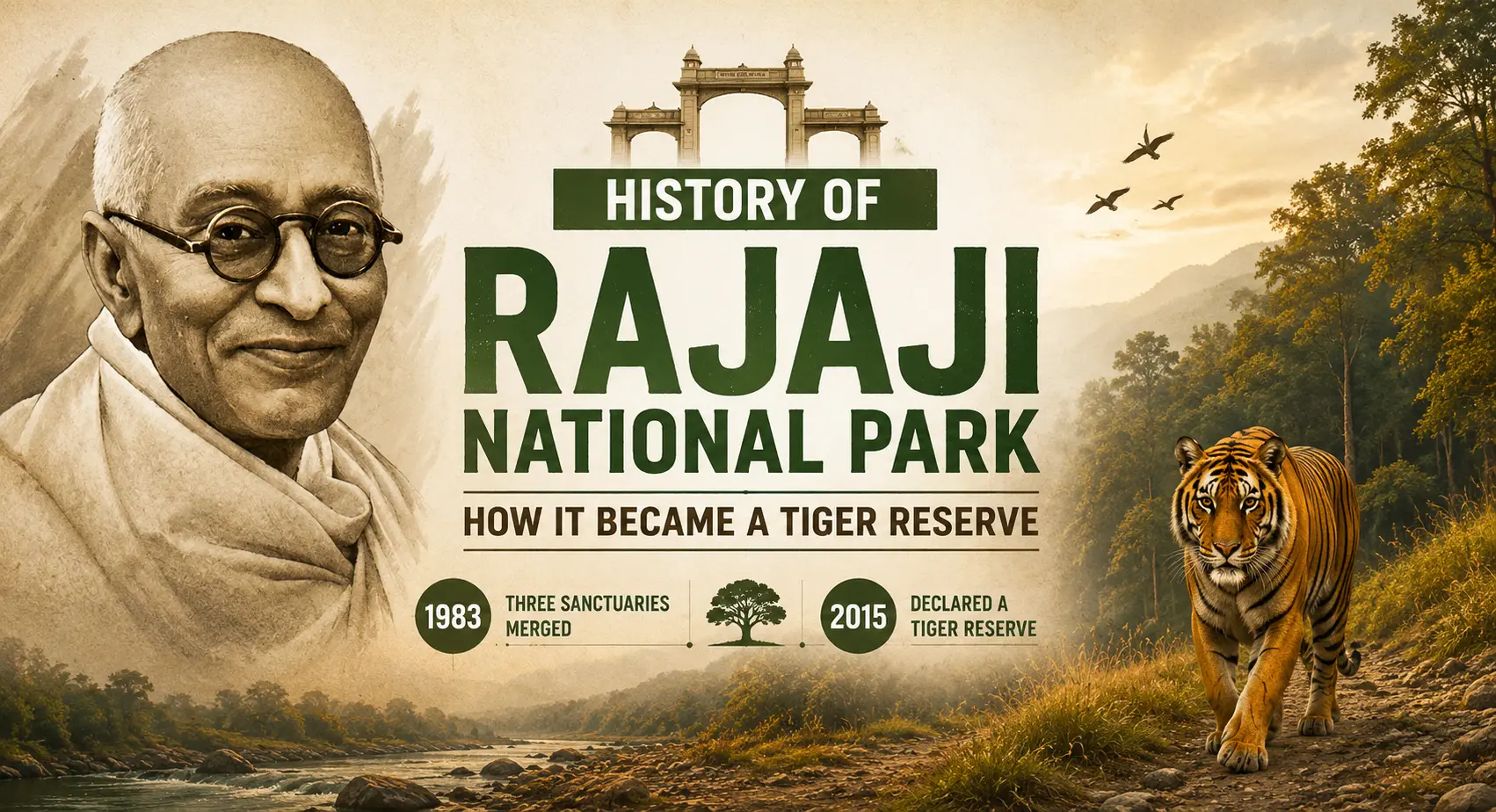
History of Rajaji National Park – How It Became a Tiger Reserve
Discover the history of Rajaji National Park - named after freedom fighter Rajaji, formed in 1983, and declared a tiger reserve in 2015.
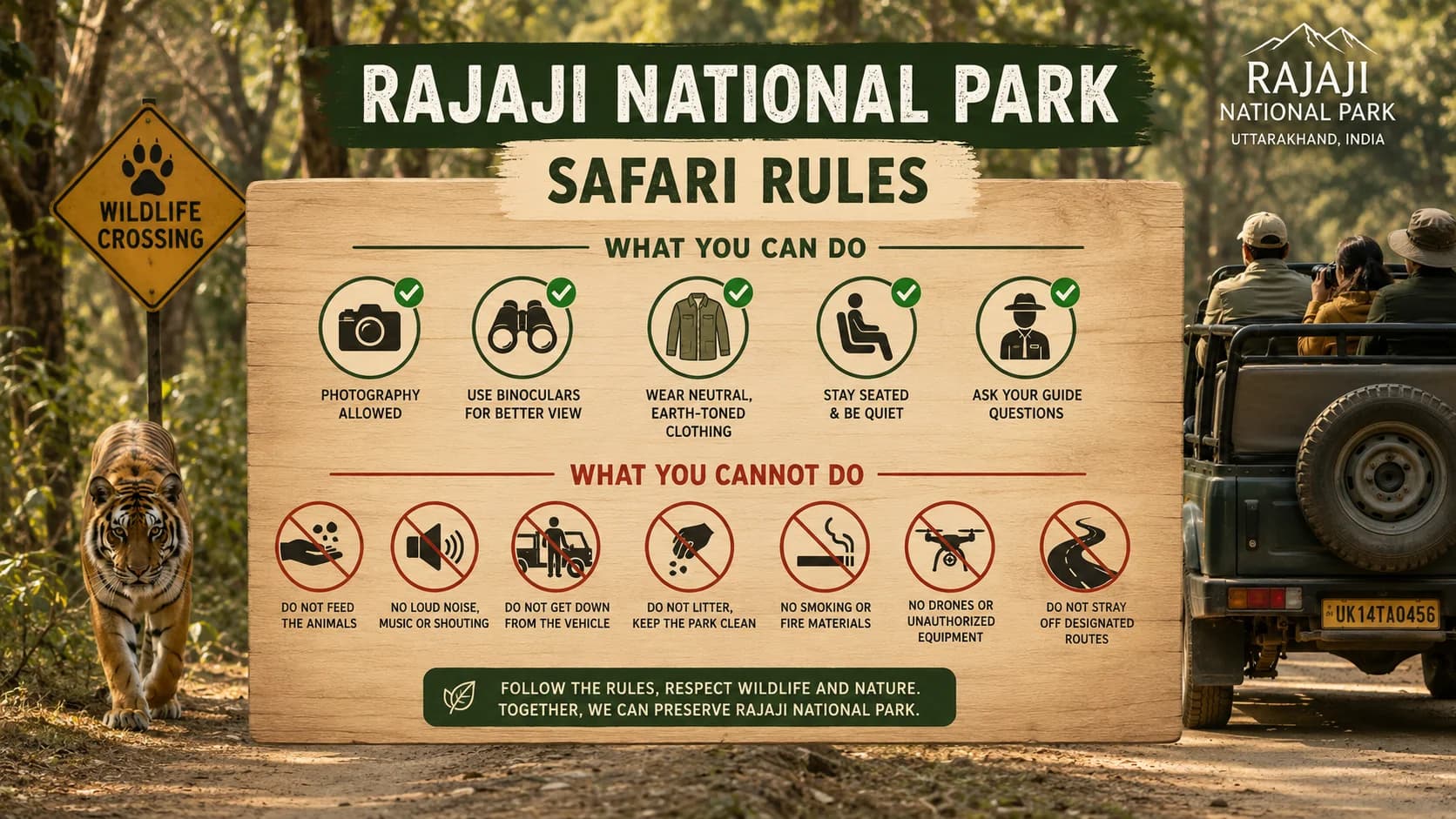
Rajaji National Park Safari Rules – What You Can and Cannot Do Inside the Park
Planning a safari at Rajaji National Park? Know the rules, safety guidelines, and dos and don'ts before you book your tiger safari near Rishikesh.
How Many Tigers Are There in Rajaji National Park? Latest Numbers & Facts
Wondering how many tigers live in Rajaji National Park? Get the latest numbers, top zones, and tips to book your safari online today.