Shashi Ranakoti
Owner
Exploring Asian Elephants in Rajaji National Park, Rishikesh
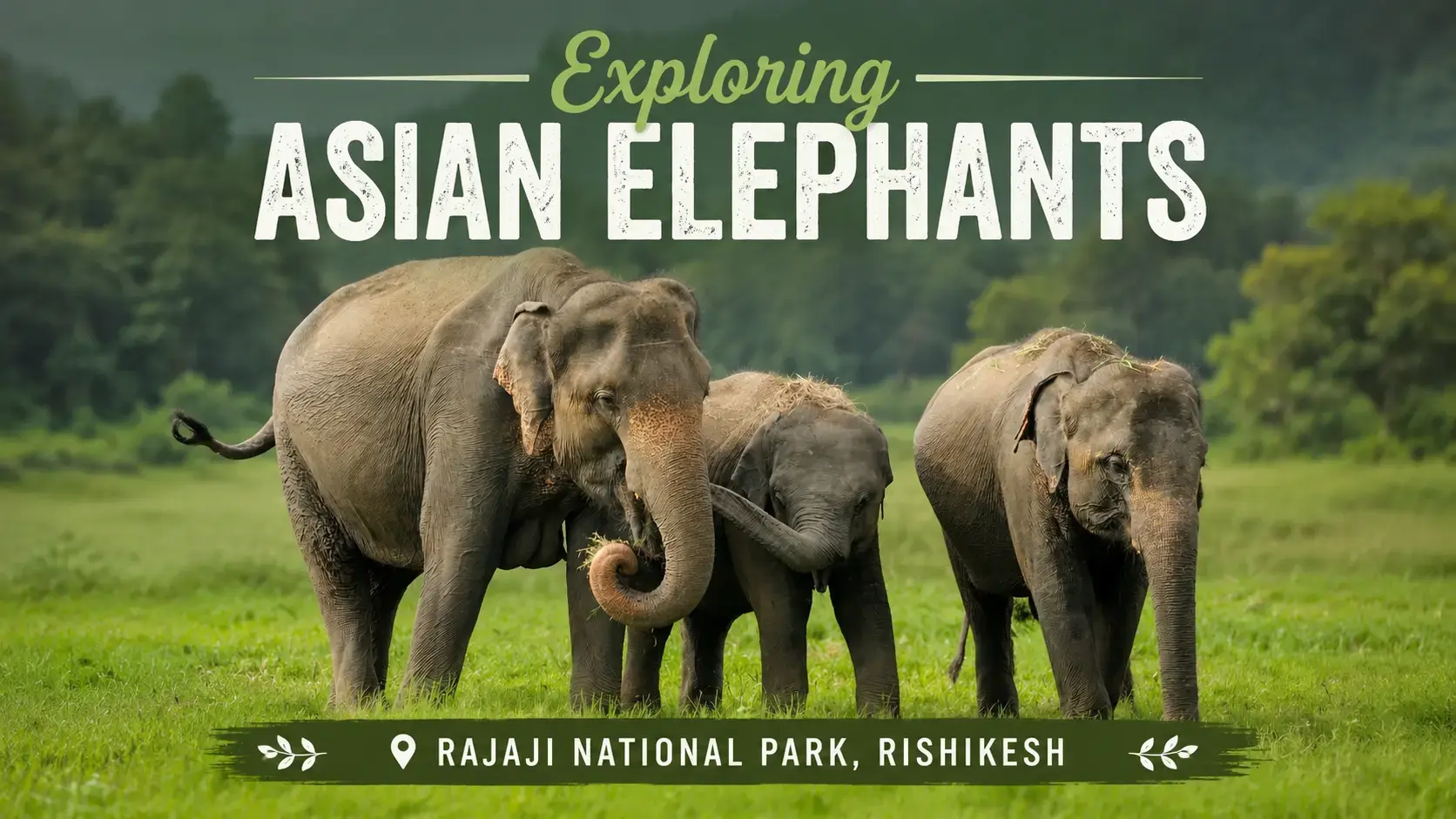
There is a moment on almost every Chilla safari where the guide slows the jeep and just points. No words needed. A grey shape moves between the trees a little way off, and in a few seconds you realise it is not one elephant. It is a whole family, six or seven of them, walking together toward the river.
That is what makes Rajaji special. Most people think of North Indian wildlife and say tiger. But anyone who has actually spent time on these forest tracks will tell you it is the elephants that stay with you longest.
Rajaji National Park is one of the biggest strongholds for Asian elephants in North India, and elephants in Rajaji National Park are a common sighting rather than a rare one.
Why Rajaji Is So Important for Elephants
Rajaji National Park spreads across roughly 820 square kilometres between the Shivalik hills and the Ganga plains, covering parts of Haridwar, Dehradun, and Pauri Garhwal districts. It was declared a tiger reserve in 2015, but long before that, it was already known as one of the most important elephant habitats in North India.
The park is home to over 500 Asian elephants, and the Chilla zone alone holds a large share of that number at different times of the year. This did not happen by chance. Rajaji has the right mix for elephants to thrive: dense Sal forest, grassy stretches near the river, and enough open land for herds to move and feed without constant disturbance.
Where Elephants Actually Spend Their Time
Sal forest is where elephants rest during the hotter hours of the day, using the shade of the canopy. Motichur zone is known for its dense Sal cover, and this is exactly why elephant sightings there are so reliable.
By evening, herds usually move toward water. The Ganga and other rivers flowing through the park give elephants everything they need. Water to drink, mud to cool off in, and grass along the banks to feed on.
Grasslands matter too. Elephants graze for hours at a time, and the open patches scattered through Chilla and Motichur fill that need, especially once the monsoon has passed and fresh grass comes up.
How Elephants Behave in the Wild
Elephant herds are led by a matriarch, usually the oldest and most experienced female in the group. Around her, you will typically see her daughters, granddaughters, and their young calves. Adult males live more on their own, joining a herd only during mating periods, and otherwise moving alone or with a couple of other males.
Watch a herd for even a few minutes, and the structure becomes clear. Calves stay close to their mothers, older ones help keep the younger ones in line, and the group moves almost like it is making decisions together.
Bulls in musth, a natural condition linked to a rise in hormones, tend to be more restless and unpredictable. Guides give them extra space for good reason, which is also why your driver will never push closer for a better photo.
Elephant Corridors: A Quiet Conservation Win
For years, one of the biggest problems for Rajaji's elephants was not poaching. It was that the park was getting cut in two. The western and eastern halves, split roughly by the Ganga, were being separated by human settlement sitting right in the elephants' path.
The Chilla-Motichur corridor, a narrow strip of forest connecting the two sides across the river, had a village standing inside it for years. Elephants moving between Chilla and Motichur were forced to squeeze through a shrinking, disturbed stretch of land.
The Wildlife Trust of India worked with the Uttarakhand Forest Department over close to twelve years on a voluntary relocation plan, and in January 2017 the corridor was finally declared free of human habitation. Elephants now move through it regularly, and it is considered one of the genuine conservation success stories in North Indian wildlife management. Rajaji also connects to the wider Corbett-Rajaji elephant landscape, a larger network of forest that once let elephant populations move across a much bigger stretch of land.
None of this is just background information. When your guide talks about elephant movement between zones, this corridor is exactly what they mean.
The Five Safari Zones
Rajaji has five safari zones, and elephants are not spread evenly across them.
Chilla is the busiest zone, and for good reason. It has the largest elephant population in the park along with strong tiger sightings, and the riverside stretches here are especially good for spotting families coming down to drink.
Motichur is quieter and more wooded, with thick Sal cover that elephants use heavily. It is also a shorter drive from Rishikesh, and herds moving through the trees are a common sight.
Ranipur is rocky and hilly, better known for leopards, though elephants do pass through. It rewards patience more than the other zones.
Jhilmil Jheel is Uttarakhand's only wetland habitat and home to swamp deer, along with peacocks and a large variety of birds. Elephants are seen here too, and this zone stays open a little longer into the season than the other four.
Mohand is on the Dehradun side and sees far less traffic. It is known more for leopards and birdlife, a good pick if a quieter safari matters more to you than maximising elephant odds.
Best Time to See Elephants
The safari season generally runs from mid-November to mid-June, with Jhilmil Jheel staying open a bit longer, from October to June. Winter brings cooler, more comfortable weather and reliable sightings.
As it gets warmer closer to summer, elephant sightings often improve, since animals head toward water more often during the heat. Riverside stretches in Chilla and Motichur become especially productive during this time. The park stays closed through the monsoon months for the safety of visitors and to let the forest recover.
A Few Tips for Your Safari
Early morning light is softer, and elephants tend to be more active in the first couple of hours after sunrise. Keep your camera ready instead of packed away, since sightings can happen without warning.
Keep a respectful distance and let your guide decide how close is close enough. Never ask your driver to get nearer for a better shot, especially around calves or a bull that seems restless. Stay inside the vehicle at all times, avoid loud noise, and carry your trash back out with you. A wild forest never guarantees a sighting, and that bit of unpredictability is part of what makes it worth the trip.
Other Wildlife You Might Spot
Elephants share this forest with a good amount of other wildlife. Bengal tigers and leopards move through the same terrain, spotted deer and sambar are common across most zones, and langurs turn up often as well. Add in wild boar, barking deer, and a wide range of birdlife, and Rajaji starts to feel less like one safari and more like several different forests stitched together.
Planning Your Visit
Rishikesh Tiger Safari is based out of Ganga Bhogpur Talla, close to the Chilla Canal and around 8 km from the Chilla Range gate, which cuts down significantly on the early morning drive most visitors staying in central Rishikesh have to make. Safaris across all five zones can be arranged along with stay options close to the gate.
Whether it is Chilla's elephant numbers that draw you in, or Jhilmil's wetlands and birdlife, the idea is to match the zone to what you actually want to see, and to go in with the patience that wild elephants deserve.
If you are booking Rajaji National Park safari from Rishikesh, it is worth locking in your slot a few days ahead, especially through the winter months when zones fill up fast.
Frequently Asked Questions
Get answers to common questions about your safari experience at Raja ji National Park.
Recent Posts
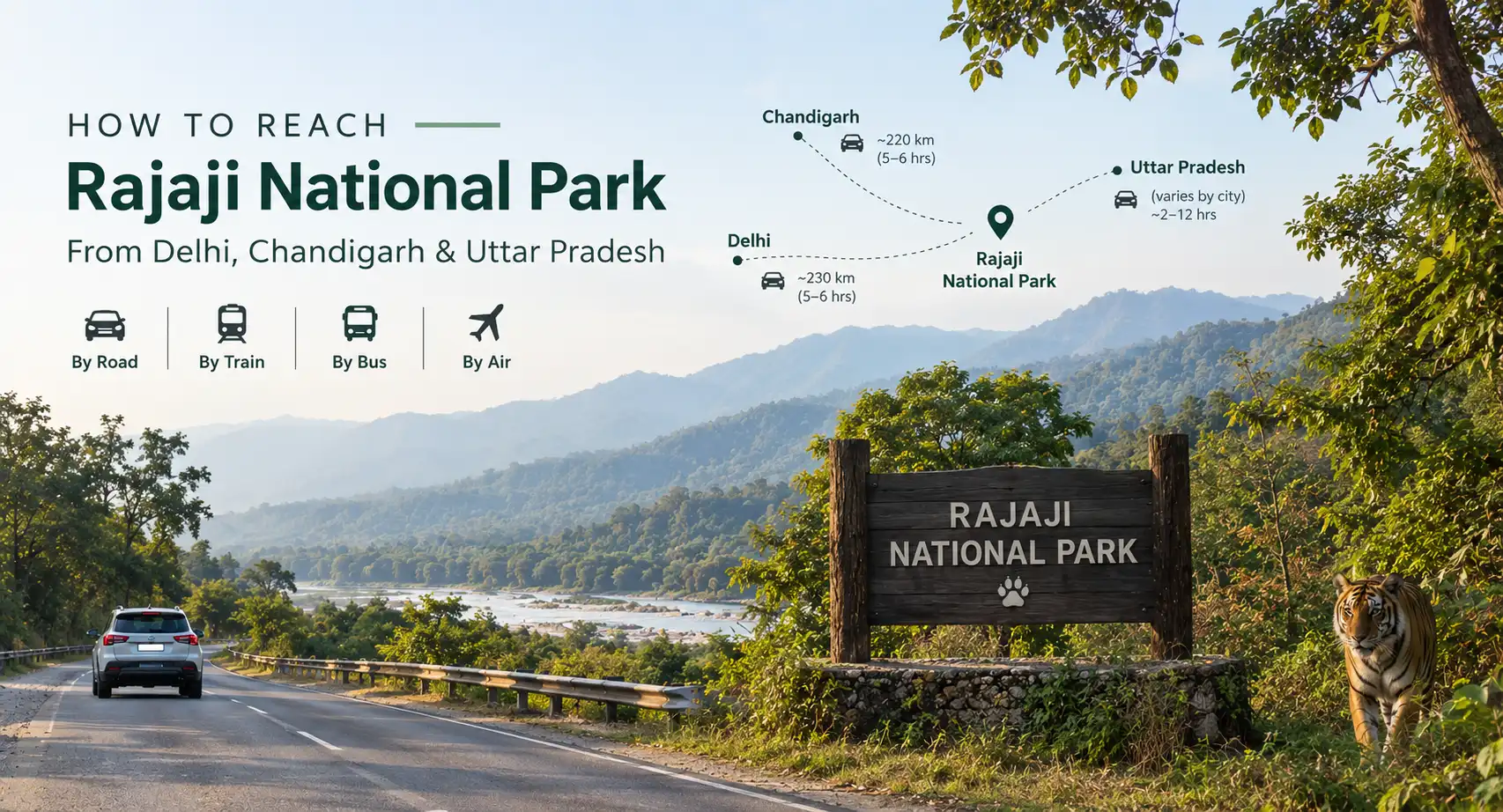
How to Reach Rajaji National Park – From Delhi, Chandigarh, UP
Planning a trip to Rajaji National Park? Find the best routes, travel time, and transport options from Delhi, Chandigarh, and Uttar Pradesh.
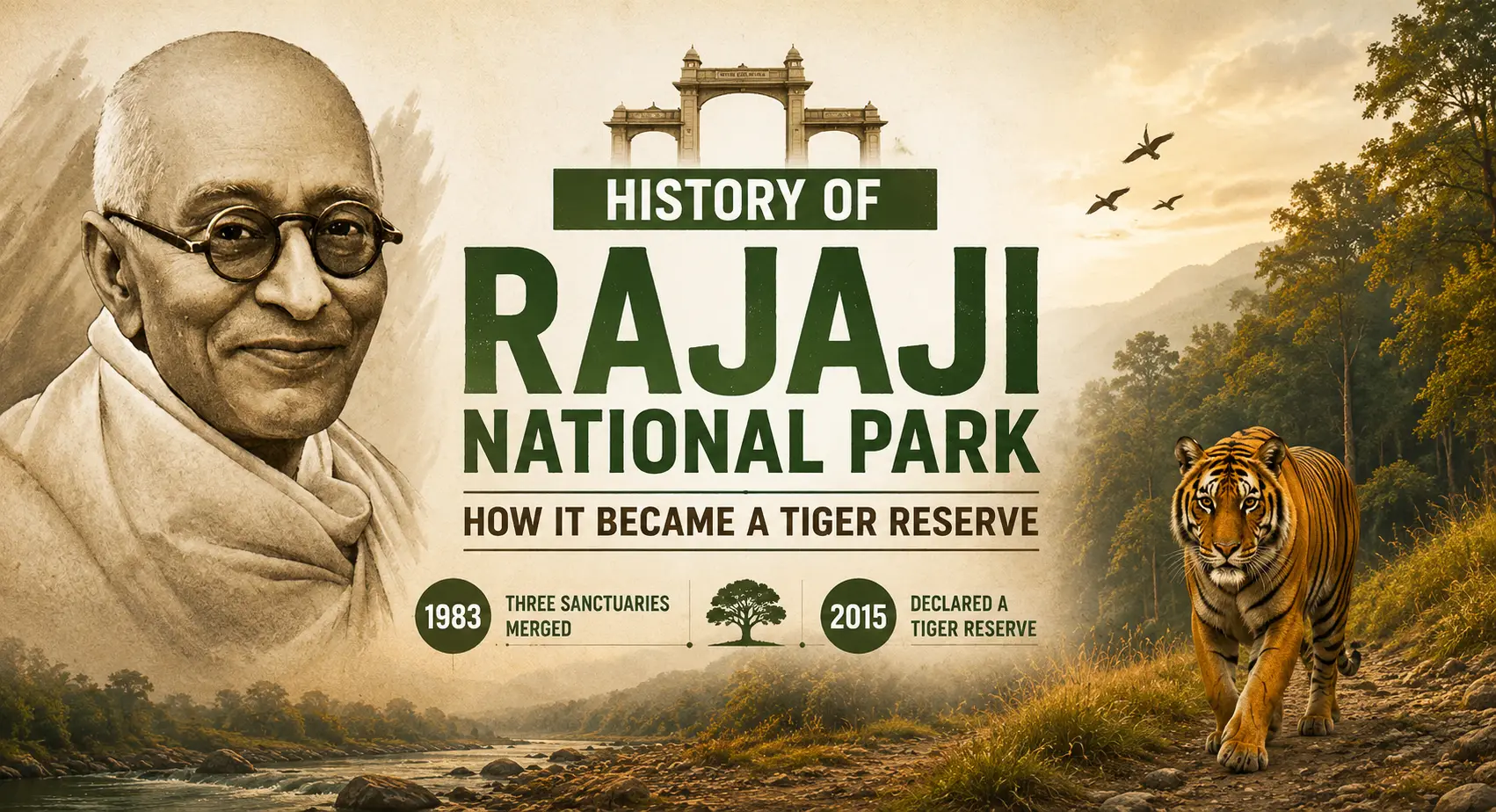
History of Rajaji National Park – How It Became a Tiger Reserve
Discover the history of Rajaji National Park - named after freedom fighter Rajaji, formed in 1983, and declared a tiger reserve in 2015.
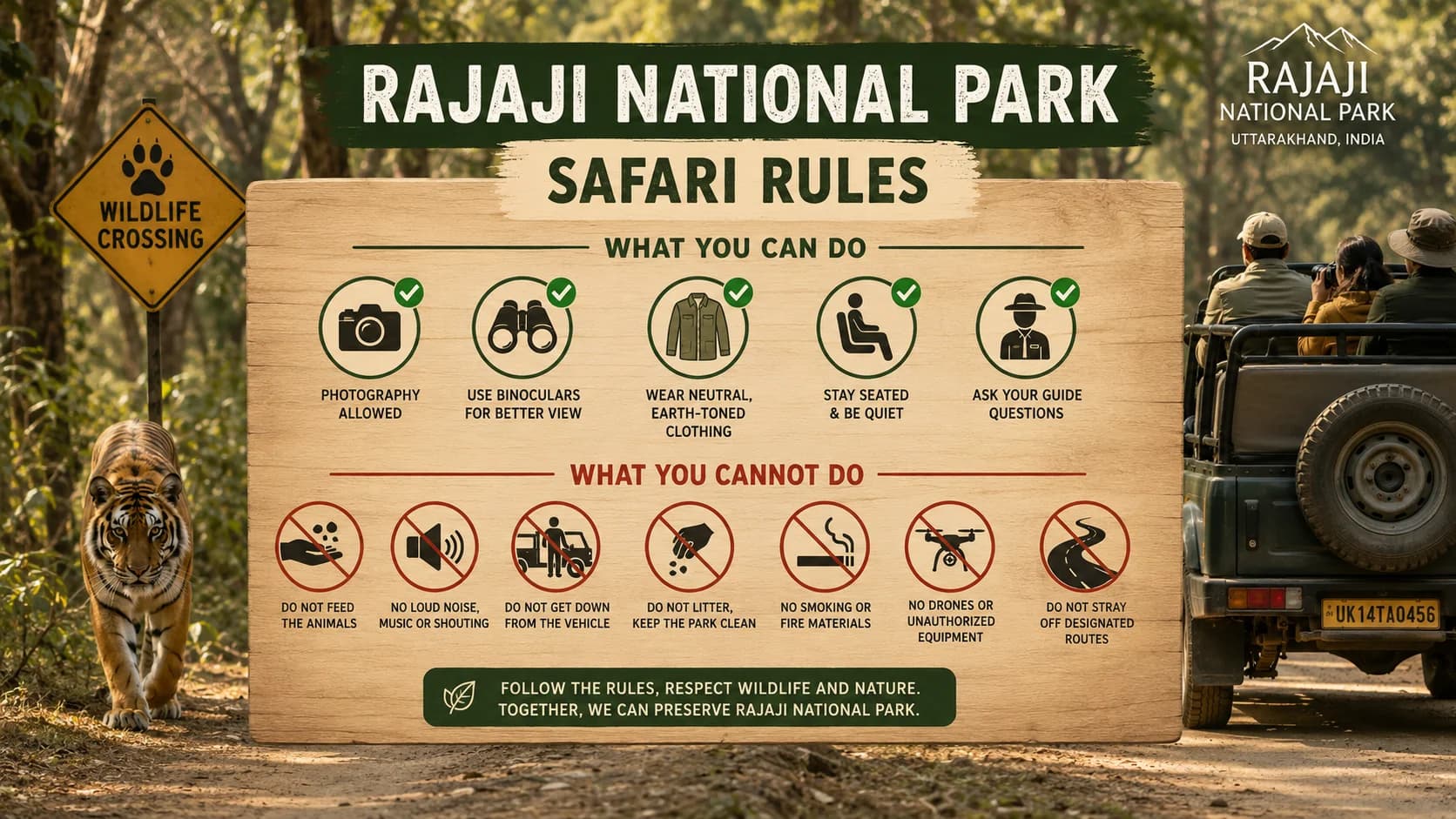
Rajaji National Park Safari Rules – What You Can and Cannot Do Inside the Park
Planning a safari at Rajaji National Park? Know the rules, safety guidelines, and dos and don'ts before you book your tiger safari near Rishikesh.